

How much weight will you lose after a sleeve? Real study numbers show weight loss after sleeve gastrectomy at 3, 6 and 12 months.
Continue readingHow much weight will you lose after a sleeve? Real study numbers show weight loss after sleeve gastrectomy at 3, 6 and 12 months.
Continue reading
Why does acid reflux after sleeve gastrectomy happen? Learn the symptoms, treatment options and when a bypass may be needed.
Continue reading
Laparoscopic Sleeve Gastrectomy is one of the safest and most effective surgical treatments for obesity worldwide. It helps patients achieve significant weight loss and improves many obesity-related conditions such as diabetes and high blood pressure.
However, as with any surgical procedure, some potential complications may occur after sleeve gastrectomy. These complications are generally rare, especially when the procedure is performed by an experienced surgeon using modern surgical tools and techniques.
At Dr. Ahmed Shinkar Bariatric and Laparoscopic Surgery Center – Shinkar Clinic, the latest international standards in bariatric surgery are followed in order to minimize complication rates to the lowest possible levels

Below are the most important possible complications after sleeve gastrectomy.
Wound Infection
Minor infection of external surgical wounds may occur in approximately 3% of cases, and it is more common during the summer months.
Possible causes include:
In most cases, wound infections are easily treated with antibiotics and proper wound care.
Gastric Leak
A gastric leak is a rare but important complication after sleeve gastrectomy.
It occurs when part of the stomach does not heal properly after surgery, allowing gastric fluid to leak into the abdominal cavity.
A leak test is routinely performed during surgery to ensure the integrity of the stomach. However, a small international incidence remains, typically less than 0.5%.
Leaks occurring shortly after surgery are often related to failure to follow the dietary instructions during the first postoperative month.
Late leaks, which may occur months after surgery, can be associated with:
Causes of Gastric Leak
At Shinkar Clinic, complication rates (including gastric leak) are among the lowest internationally due to adherence to international surgical standards, use of high quality stapling devices, and extensive experience with thousands of cases.
Bleeding
Bleeding may occur from the gastric staple line, which measures approximately 25-40 cm in length.
The international incidence is less than 0.5%.
Bleeding is more likely in patients with:
In most cases, bleeding can be treated conservatively with medication. Surgical intervention could be required only in rare cases.
Gastroesophageal Reflux
Gastroesophageal reflux may occur in some patients after sleeve gastrectomy due to increased pressure inside the reduced stomach.
Symptoms may include:
The risk can be reduced by:
Reflux is usually treated with acid-suppressing medications.
The risk of reflux is higher in:
Patients with pre-existing reflux symptoms should inform their surgeon before surgery, as sleeve gastrectomy may not always be the best option in such cases.
Vomiting
Vomiting may occur during the first few days after surgery, especially within the first 2-3 days, usually due to anesthesia medications or adaptation to the new stomach size.
Vomiting occurring 6-12 months after surgery may be associated with:
Failure to Reach Ideal Weight or Weight Regain
Some patients may fail to reach their ideal weight or may experience weight regain after initial success.
This is usually due to:
For patients with a strong preference for sweets, gastric bypass surgery may sometimes be a better option than sleeve gastrectomy.
Sagging Skin (Loose Skin)
Loose skin may occur due to rapid weight loss.
The best way to minimize skin laxity is through regular exercise, particularly resistance and weight-training exercises.
Patients are advised to begin exercising from the third week after surgery, with workouts 3-5 times per week.
Additional recommendations include:
There are no creams or cosmetic treatments proven to prevent loose skin, and some patients with severe obesity may eventually require body contouring surgery.
Gallbladder and Kidney Stones
Rapid weight loss can lead to reduced gallbladder activity, increasing the risk of gallstone formation.
To prevent gallstones, patients are often prescribed Ursodeoxycholic Acid (Ursofalk) during the weight-loss phase.
Kidney stones may also develop due to:
Patients should drink adequate amounts of water and follow medical instructions carefully.
Blood Clots
Blood clots may occur due to:
The risk is highest during the first month after bariatric surgery.
Clots may affect:
Preventive medications are routinely prescribed to reduce this risk.
Hiatal Hernia
A hiatal hernia may occur in approximately 1–5 cases per 1000 after sleeve gastrectomy.
This occurs when part of the stomach moves into the chest cavity.
It may cause:
Smoking significantly increases the risk, and treatment may sometimes require conversion to gastric bypass surgery.
Splenectomy
Splenectomy (removal of the spleen) is a very rare complication of bariatric surgery.
It may occur during or after surgery due to:
The estimated incidence is 1–5 cases per 1000.
Anesthesia Complications
Rare anesthesia complications may include:
These complications are uncommon.
Mortality Risk
The international mortality rate for bariatric surgery is approximately 1 in 1000 cases.
Death (although extremely rare) may occur during or after surgery due to surgical or anesthesia related complications.
Final Advice
Possible complications should not prevent patients from seeking treatment for morbid obesity.
The complications associated with severe obesity—including:
are more common and often more dangerous than the complications of bariatric surgery.

After Sleeve Gastrectomy, proper vitamin and nutritional supplementation is essential to maintain health and prevent deficiencies during the rapid weight-loss phase.
Although sleeve gastrectomy preserves normal intestinal absorption, the reduced stomach volume and lower food intake can lead to deficiencies in iron, calcium, zinc, and certain vitamins if supplementation is not followed carefully.
In our clinical protocol at Dr. Ahmed Shinkar Bariatric center (Shinkar Clinic), patients begin the supplement regimen from the third week after surgery and continue it regularly during the first postoperative year, when weight loss is most rapid.
The main objectives of postoperative supplementation are to:
The following is the recommended supplement protocol after sleeve gastrectomy.
A daily multivitamin provides the essential vitamins and trace elements required during the weight-loss phase.
This is the foundation of the supplement regimen after gastric sleeve surgery.
Recommended options
Dosage
One tablet once daily in the morning.
Calcium supplementation is important after sleeve gastrectomy to maintain bone density and skeletal health, especially in women.
The preferred form is Calcium Citrate, as it is better absorbed in patients with reduced stomach acid and do not cause renal stones.
Vitamin D is added to improve calcium absorption and prevent long-term bone complications.
Recommended options
Dosage
One tablet once daily in the evening.
Rapid weight loss after bariatric surgery increases the risk of gallstone formation.
To reduce this risk, many surgeons prescribe Ursodeoxycholic Acid during the active weight-loss phase.
This medication helps prevent gallstone formation while the body is losing weight quickly.
Medication
Ursofalk (Ursodeoxycholic Acid)
Typical dosage
1–2 tablets daily according to the treating physician’s instructions.
B-vitamins are essential for nerve health, energy metabolism, and neurological function.
Vitamin B deficiencies may occur if dietary intake is insufficient during the early postoperative phase.
For this reason, B-complex supplementation is recommended after sleeve gastrectomy.
Oral supplements
Dosage
One tablet twice daily.
Preferred option
In some patients, especially during the first six months after surgery, a weekly intramuscular B-complex injection may be recommended.
Maintaining adequate protein intake is critical after bariatric surgery to prevent muscle loss and weakness.
Whey Protein Isolate is a highly purified protein source containing up to 90% protein and is easily absorbed.
It helps preserve lean muscle mass, metabolic rate, hair strength, and skin quality during rapid weight loss.
Daily protein requirement
Approximately 1 gram of protein per kilogram of body weight.
Example:
A patient weighing 100 kg requires approximately 100 grams of protein per day.
Protein intake can be divided throughout the day using protein shakes or high-protein foods.
Patients are encouraged to try different brands and flavors to find the most suitable option.
Iron deficiency is one of the most common nutritional issues after bariatric surgery.
For this reason, iron supplementation is recommended according to the guidelines of the American Society for Metabolic and Bariatric Surgery (ASMBS).
Iron is particularly important for women of reproductive age, as iron deficiency anemia may develop if supplementation is neglected.
Recommended options
Timing
Iron supplements are usually started between the third and ninth postoperative months, depending on laboratory results.
Dosage
Typically, 1–2 tablets daily, adjusted according to blood test results and medical follow-up.
Medical Follow-Up After Sleeve Gastrectomy
Regular follow-up is essential to monitor vitamin levels and ensure optimal recovery after bariatric surgery.
Patients are advised to undergo periodic blood tests to evaluate:
Supplement doses may be adjusted based on these results.

Stage one: The First Month Diet
The purpose of this stage is to protect the internal staple line and allow the stomach to heal completely.
Stage Two: The Weight-Loss Phase
This stage focuses on healthy eating habits that support effective weight loss during the first months after surgery.
Stage Three: The Post-Ideal Weight Lifestyle
This stage represents a long-term balanced lifestyle aimed at maintaining weight loss and preventing weight regain.
Below is a detailed explanation of each phase:
Stage One: The First Month Diet After Sleeve Gastrectomy
Week 1
Patients should consume clear liquids only, including:
Sugar may be added according to preference.
On days 6 and 7, the following may be added: Milk pudding, Jelly and/or Lentil soup
Liquids should remain the main component of the diet.
Week 2
Food should be mashed thoroughly using a fork, then eaten slowly in small quantities.
Use a small teaspoon and consume 3–5 teaspoons per meal, slowly and carefully.
Allowed foods include:
warm herbal drinks may continue.
Diet sweeteners may be used, up to two packets daily.
Week 3
The following foods may be introduced:
Warm liquids may still be consumed. Small amounts of oil or butter are allowed, but deep-fried foods should be avoided.
Week 4
Proteins are gradually introduced, including:
Meat, Poultry, Fish, Shrimp, Tuna, Minced, meat, and Chicken liver
You should begin with very small quantities, chew thoroughly, and avoid extremely hot foods.
Important Warnings During the First Month
Failure to follow the first-month diet plan may lead to serious complications.
During the first month patients must avoid:
Patients should follow the diet instructions exactly.
The stomach staple line is still healing and can only tolerate the foods listed above.
Consuming carbohydrates such as bread, rice, pasta, or beans during the first two months may lead to dangerous complications.
Patients should drink 12–15 cups of fluids daily during the first year to prevent: Dehydration, Dizziness, Headache, and Blood clots
Urine color should remain light and clear, indicating proper hydration.
Stage Two: Weight Loss Diet After Sleeve Gastrectomy
This phase usually lasts 4–8 months after surgery.
Two dietary approaches may be followed depending on the patient’s metabolism and lifestyle.
Your surgeon will help determine which approach is most suitable during follow-up visits.
Option One: Strict Post-Sleeve Diet (80–100% Excess Weight Loss)
Relying on surgery alone is not enough to achieve an ideal weight.
Long-term success requires changing eating habits and following a healthy diet.
This diet is particularly recommended for:
Diet Characteristics
The diet should be High protein, Moderate fat, and Low carbohydrates
This approach typically results in 80–100% excess weight loss within 8–12 months.
These recommendations are based on guidelines from the American Society for Metabolic and Bariatric Surgery (ASMBS).
Foods to Avoid:
Rice, Pasta, Bread, Potatoes, Sweet potatoes, Lentils, Beans, Biscuits, fruits and fruit juices, Oats, Corn, Soy, Chia seeds, soft drinks and soda, desserts, Milk, Processed cheese, Peanuts, Almonds, Pistachios, Cashews, Sunflower seeds, Mayonnaise, Ketchup, Mustard, and Garlic sauce
Processed meat should also be avoided, including Sausages and Burgers.
These often contain soy, starch, and fillers that slow weight loss.
Allowed Foods
Protein Sources: Meat, Chicken, Fish, seafood, Tuna, Shrimp, Squid, Eggs …etc.
Ground meat, steak, and tender cuts are recommended because they are easier to swallow.
Boiled eggs may also be eaten as snacks between meals.
Vegetables: Any cooked vegetables are allowed, including:
Molokhia, Zucchini, Green beans, Okra, Peas, AND Spinach
Vegetables may be cooked normally using oil or butter.
Leafy vegetables are encouraged such as:
Arugula, Parsley, Celery, Dill, Green pepper, Broccoli
Eating one bunch of arugulas daily is recommended to help prevent constipation and provide essential minerals.
Meal Guidelines
There is no fixed quantity of food.
Patients should:
Example Daily Plan
Breakfast / Dinner
Lunch
Snacks
Macronutrient Distribution
Daily intake should consist of approximately:
Total daily calories should remain around 700 calories per day.
Option Two: Moderate Post-Sleeve Diet (40–60% Excess Weight Loss)
This diet is more suitable for:
However, this approach usually results in a maximum weight loss of 60% of the excess weight loss.
The risk of weight regain within five years may reach 30%.
Average Weight Loss
About 2–3 kg per month.
Diet Composition
Daily calorie intake should not exceed 800 calories.
Typical daily intake includes:
Patients should eat protein first, followed by vegetables, and carbohydrates last.
Maximum daily carbs intake should not exceed:
Two slices of diet toast, ¼ loaf of traditional bread or 3 teaspoons of rice
Fruit may be eaten twice weekly, excluding high-calorie fruits such as:
Mango, Grapes, Figs, and Dates
Intermittent fasting 12–16 hours daily may also improve results.
This diet is not recommended for women, elderly patients, or those with thyroid disorders.
If weight loss stops or weight increases, the patient should return to the stricter diet plan.
Phase Three: Long-Term Lifestyle After Reaching the Ideal Weight
This stage begins once BMI is below 30.
The goal is to maintain weight loss and prevent regain.
Guidelines include:
The following should be avoided permanently:
White bread, Oats, Popcorn, Soda, and Carbonated drinks
These foods may contribute to gastric sleeve dilation.
desserts may be consumed once monthly.
Protein and vegetables may be eaten freely.
Sugar and honey should be avoided.
Diet sweeteners may be used up to two packets daily.

It is an advanced aesthetic bariatric surgery which aims to conceal the scars of the minimal invasive surgery below the umbilical line.
It offers the same weight loss similar to regular sleeve gastrectomy.
The best outcomes are usually achieved in patients without sagging skin or previous abdominal scars.
Banded Sleeve Gastrectomy
A silicone ring is placed around the stomach, with the objective of preventing gastric sleeve dilatation. It is still generally considered a research material without consensus about proven positive impact on the gastric sleeve results.
One of the main drawbacks of the silicon ring is that it does not prevent proximal gastric dilatation and may not prevent weight recurrence as a result of sweets.
On the long term, the silicon ring may cause gastric erosions, ulcers and/or perforations. It can also make any future stomach surgery much more difficult.
The presence of the silicon ring changes the operation of gastric sleeve from a simple physiological operation into an operation that involves a foreign body, which could introduce long term risks.
Keyhole Sleeve Gastrectomy with Nanotechnology
Using advanced ultrathin laparoscopic instruments to minimize visible scars to almost none.
Usually, this technique is combined with bikini line technique to reach maximal aesthetic results.
Laparoscopic Reinforced Sleeve Gastrectomy
Oversewing sutures are used to reinforce the staple line in sleeve gastrectomy. This technique is widely thought to minimize possible postoperative complications like leak or bleeding and is now adopted as a routine step in most sleeve gastrectomy operations worldwide.

Laparoscopic sleeve gastrectomy (gastric sleeve) is weight loss surgery in which approximately 80% of the stomach is removed leaving about 150-200 ml of stomach volume.
Gastric sleeve helps obese people reach ideal weight within 6-18 months after the operation.
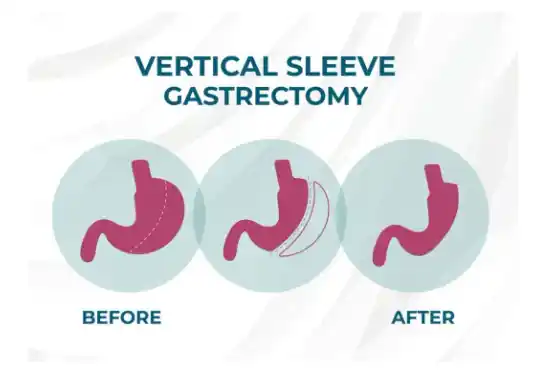
How does sleeve gastrectomy help Obese patients to lose weight?
Because the stomach is significantly smaller and its capacity was drastically reduced, limiting food intake and reducing hunger and the patients feel full after consumption of small portions of food.
The upper part of stomach (fundus) that produce the hunger hormone (Ghrelin) is removed, this leads to reduced appetite and better adherence to healthy food choices.
Gastric sleeve also increase hormonal levels of GLP-1 and GLP-2 which are known for improving satiety, insulin sensitivity and metabolic rate.
What Do the Incisions Look Like After Sleeve Gastrectomy?
The procedure is performed using minimally invasive laparoscopic techniques. Usually there are 3-5 small incisions at the abdominal wall, measuring about 0.5-1.5 cm.
The incisions are closed using cosmetic surgical techniques. Therefore, they are thin, pale and small. Over time, scars gradually fade and, in most cases, become barely noticeable.
Pain After Sleeve Gastrectomy
Mild pain is expected after laparoscopic sleeve gastrectomy, especially during the first few days following surgery.
At our center, we use a device called Patient controlled analgesia pump, which is a small plastic device filled with strong pain killers and infuse them in a predefined dose for effective pain management. Therefore, most patients do not feel significant pain and by the third day pain would completely subside.
How Long Does Recovery Take After Sleeve Gastrectomy?
The recovery period at home after laparoscopic sleeve gastrectomy typically ranges from 1 to 3 days.
After the first few days, most of our patients are able to resume normal daily activities such as household duties, grocery shopping, walking, and moving comfortably.
International travel is generally possible 3-5 days after the operation. Returning to work is usually recommended after 5–7 days of the operation.
Estimated Cost of Sleeve Gastrectomy (2026)?
The cost of laparoscopic sleeve gastrectomy generally ranges roughly from EGP 40,000 to EGP 90,000 (1000-2000 USD) depending on surgeon experience, hospital level, and included services like hospital stay, tests, and follow-ups.