Diet after Sleeve Gastrectomy

Patients who undergo sleeve gastrectomy pass through three dietary stages after surgery:

Stage one: The First Month Diet

The purpose of this stage is to protect the internal staple line and allow the stomach to heal completely.

Stage Two: The Weight-Loss Phase

This stage focuses on healthy eating habits that support effective weight loss during the first months after surgery.

Stage Three: The Post-Ideal Weight Lifestyle

This stage represents a long-term balanced lifestyle aimed at maintaining weight loss and preventing weight regain.

Below is a detailed explanation of each phase:

Stage One: The First Month Diet After Sleeve Gastrectomy

Week 1

Patients should consume clear liquids only, including:

  • Packaged fruit juices (any flavor).
  • Clear soups such as chicken broth or meat broth
  • Warm herbal drinks such as: Anise, Mint, Linden, Cinnamon, Caraway and Clove

Sugar may be added according to preference.

On days 6 and 7, the following may be added: Milk pudding, Jelly and/or Lentil soup

Liquids should remain the main component of the diet.


Week 2

Food should be mashed thoroughly using a fork, then eaten slowly in small quantities.

Use a small teaspoon and consume 3–5 teaspoons per meal, slowly and carefully.

Allowed foods include:

  • Mashed potatoes
  • Mashed zucchini
  • Mashed sweet potatoes
  • White cheese 
  • Cottage cheese
  • Boiled eggs (mashed)
  • Fried eggs 

warm herbal drinks may continue.

Diet sweeteners may be used, up to two packets daily.

Week 3

The following foods may be introduced:

  • Eggs
  • White cheese
  • Cooked or raw green vegetables such as: Zucchini, Okra, Peas, Spinach and Green beans

Warm liquids may still be consumed. Small amounts of oil or butter are allowed, but deep-fried foods should be avoided.

Week 4

Proteins are gradually introduced, including:

Meat, Poultry, Fish, Shrimp, Tuna, Minced, meat, and Chicken liver

You should begin with very small quantities, chew thoroughly, and avoid extremely hot foods.

Important Warnings During the First Month

Failure to follow the first-month diet plan may lead to serious complications.

During the first month patients must avoid:

  • Smoking
  • NSAIDs
  • Alcohol

Patients should follow the diet instructions exactly.

The stomach staple line is still healing and can only tolerate the foods listed above.

Consuming carbohydrates such as bread, rice, pasta, or beans during the first two months may lead to dangerous complications.

Patients should drink 12–15 cups of fluids daily during the first year to prevent: Dehydration, Dizziness, Headache, and Blood clots

Urine color should remain light and clear, indicating proper hydration.

Stage Two: Weight Loss Diet After Sleeve Gastrectomy

This phase usually lasts 4–8 months after surgery.

Two dietary approaches may be followed depending on the patient’s metabolism and lifestyle.

Your surgeon will help determine which approach is most suitable during follow-up visits.

Option One: Strict Post-Sleeve Diet (80–100% Excess Weight Loss)

Relying on surgery alone is not enough to achieve an ideal weight.
Long-term success requires changing eating habits and following a healthy diet.

This diet is particularly recommended for:

  • Women
  • Older patients
  • Patients with hypothyroidism
  • Individuals with slower metabolism

Diet Characteristics

The diet should be High protein, Moderate fat, and Low carbohydrates

This approach typically results in 80–100% excess weight loss within 8–12 months.

These recommendations are based on guidelines from the American Society for Metabolic and Bariatric Surgery (ASMBS).

Foods to Avoid:

Rice, Pasta, Bread, Potatoes, Sweet potatoes, Lentils, Beans, Biscuits, fruits and fruit juices, Oats, Corn, Soy, Chia seeds, soft drinks and soda, desserts, Milk, Processed cheese, Peanuts, Almonds, Pistachios, Cashews, Sunflower seeds, Mayonnaise, Ketchup, Mustard, and Garlic sauce

Processed meat should also be avoided, including Sausages and Burgers.

These often contain soy, starch, and fillers that slow weight loss.

Allowed Foods

Protein Sources: Meat, Chicken, Fish, seafood, Tuna, Shrimp, Squid, Eggs …etc.

Ground meat, steak, and tender cuts are recommended because they are easier to swallow.

Boiled eggs may also be eaten as snacks between meals.

Vegetables: Any cooked vegetables are allowed, including:

Molokhia, Zucchini, Green beans, Okra, Peas, AND Spinach

Vegetables may be cooked normally using oil or butter.

Leafy vegetables are encouraged such as:

Arugula, Parsley, Celery, Dill, Green pepper, Broccoli

Eating one bunch of arugulas daily is recommended to help prevent constipation and provide essential minerals.

Meal Guidelines

There is no fixed quantity of food.

Patients should:

  • Eating when hungry
  • Stop immediately when full
  • Chew food thoroughly

Example Daily Plan

Breakfast / Dinner

  • Boiled or fried eggs
  • White cheese
  • Arugula or green pepper

Lunch

  • Meat, chicken, or fish
  • Cooked vegetables such as zucchini, spinach, molokhia, green beans, or okra

Snacks

  • Eggs
  • Tuna
  • Meatballs
  • Whey protein
  • Mushrooms
  • Green pepper with white cheese
  • Herbal drinks with diet sweetener

Macronutrient Distribution

Daily intake should consist of approximately:

  • 70% protein
  • 20% fat
  • 10% carbohydrates

Total daily calories should remain around 700 calories per day.

Option Two: Moderate Post-Sleeve Diet (40–60% Excess Weight Loss)

This diet is more suitable for:

  • Men
  • Patients with muscle mass above 35%

However, this approach usually results in a maximum weight loss of 60% of the excess weight loss.

The risk of weight regain within five years may reach 30%.

Average Weight Loss

About 2–3 kg per month.

Diet Composition

  • 35% protein
  • 35% healthy fats
  • 30% carbohydrates

Daily calorie intake should not exceed 800 calories.

Typical daily intake includes:

  • 50 g protein (about 200 g meat)
  • 50 g carbohydrates
  • 10–20 g fat

Patients should eat protein first, followed by vegetables, and carbohydrates last.

Maximum daily carbs intake should not exceed:

Two slices of diet toast, ¼ loaf of traditional bread or 3 teaspoons of rice

Fruit may be eaten twice weekly, excluding high-calorie fruits such as:

Mango, Grapes, Figs, and Dates

Intermittent fasting 12–16 hours daily may also improve results.

This diet is not recommended for women, elderly patients, or those with thyroid disorders.

If weight loss stops or weight increases, the patient should return to the stricter diet plan.

Phase Three: Long-Term Lifestyle After Reaching the Ideal Weight

This stage begins once BMI is below 30.

The goal is to maintain weight loss and prevent regain.

Guidelines include:

  • Carbohydrates are allowed up to twice daily
  • Prefer only one carbohydrate type per meal
  • Fruit and milk allowed twice weekly
  • Nuts allowed occasionally during holidays or summer, no more than once every 2–3 months

The following should be avoided permanently:

White bread, Oats, Popcorn, Soda, and Carbonated drinks

These foods may contribute to gastric sleeve dilation.

desserts may be consumed once monthly.

Protein and vegetables may be eaten freely.

Sugar and honey should be avoided.
Diet sweeteners may be used up to two packets daily.

Variations of Sleeve Gastrectomy

Bikini Line Sleeve Gastrectomy (BLSG)

It is an advanced aesthetic bariatric surgery which aims to conceal the scars of the minimal invasive surgery below the umbilical line.

It offers the same weight loss similar to regular sleeve gastrectomy.

The best outcomes are usually achieved in patients without sagging skin or previous abdominal scars.

Banded Sleeve Gastrectomy

A silicone ring is placed around the stomach, with the objective of preventing gastric sleeve dilatation. It is still generally considered a research material without consensus about proven positive impact on the gastric sleeve results.

One of the main drawbacks of the silicon ring is that it does not prevent proximal gastric dilatation and may not prevent weight recurrence as a result of sweets.

On the long term, the silicon ring may cause gastric erosions, ulcers and/or perforations. It can also make any future stomach surgery much more difficult.

The presence of the silicon ring changes the operation of gastric sleeve from a simple physiological operation into an operation that involves a foreign body, which could introduce long term risks.

Keyhole Sleeve Gastrectomy with Nanotechnology 

Using advanced ultrathin laparoscopic instruments to minimize visible scars to almost none.

Usually, this technique is combined with bikini line technique to reach maximal aesthetic results.

Laparoscopic Reinforced Sleeve Gastrectomy

Oversewing sutures are used to reinforce the staple line in sleeve gastrectomy. This technique is widely thought to minimize possible postoperative complications like leak or bleeding and is now adopted as a routine step in most sleeve gastrectomy operations worldwide.

Overview of Sleeve Gastrectomy

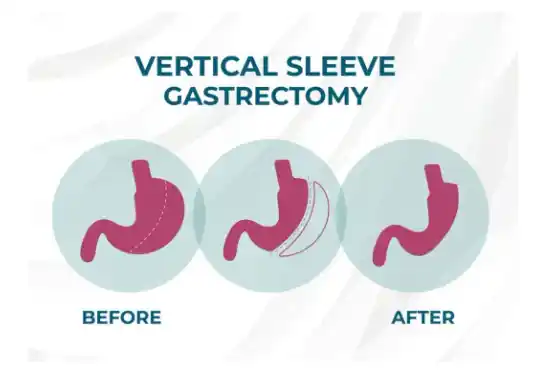
Laparoscopic sleeve gastrectomy (gastric sleeve) is weight loss surgery in which approximately 80% of the stomach is removed leaving about 150-200 ml of stomach volume.

Gastric sleeve helps obese people reach ideal weight within 6-18 months after the operation.

How does sleeve gastrectomy help Obese patients to lose weight?

  • Restriction

Because the stomach is significantly smaller and its capacity was drastically reduced, limiting food intake and reducing hunger and the patients feel full after consumption of small portions of food.

  • Hormonal Effect

The upper part of stomach (fundus) that produce the hunger hormone (Ghrelin) is removed, this leads to reduced appetite and better adherence to healthy food choices.

Gastric sleeve also increase hormonal levels of GLP-1 and GLP-2 which are known for improving satiety, insulin sensitivity and metabolic rate.

What Do the Incisions Look Like After Sleeve Gastrectomy?

The procedure is performed using minimally invasive laparoscopic techniques. Usually there are 3-5 small incisions at the abdominal wall, measuring about 0.5-1.5 cm. 

The incisions are closed using cosmetic surgical techniques. Therefore, they are thin, pale and small. Over time, scars gradually fade and, in most cases, become barely noticeable.


Pain After Sleeve Gastrectomy

Mild pain is expected after laparoscopic sleeve gastrectomy, especially during the first few days following surgery.

At our center, we use a device called Patient controlled analgesia pump, which is a small plastic device filled with strong pain killers and infuse them in a predefined dose for effective pain management. Therefore, most patients do not feel significant pain and by the third day pain would completely subside.

How Long Does Recovery Take After Sleeve Gastrectomy?

The recovery period at home after laparoscopic sleeve gastrectomy typically ranges from 1 to 3 days.

After the first few days, most of our patients are able to resume normal daily activities such as household duties, grocery shopping, walking, and moving comfortably.

International travel is generally possible 3-5 days after the operation. Returning to work is usually recommended after 5–7 days of the operation.

Estimated Cost of Sleeve Gastrectomy (2026)?

The cost of laparoscopic sleeve gastrectomy generally ranges roughly from EGP 40,000 to EGP 90,000 (1000-2000 USD) depending on surgeon experience, hospital level, and included services like hospital stay, tests, and follow-ups.


Who Should NOT Have Bariatric Surgery

Bariatric surgery is an effective treatment for obesity; however, it may not be appropriate for certain patients due to medical or behavioral risks. Surgery is generally not recommended in the following situations:

  • Age below 10 years or above 65 years.
  • Patients with viral hepatitis, such as Hepatitis B or Hepatitis C, due to the potential risk of viral reactivation and the possibility of liver function deterioration or cirrhosis, which in severe cases may require liver transplantation.
  • Patients with kidney failure, those who have undergone kidney transplantation, or individuals with impaired kidney function, particularly when accompanied by proteinuria and elevated kidney function tests.
  • Cannabis users (even without addiction), as cannabis smoking may increase the risk of gastric mucosal injury and potential gastric leakage related to acid irritation.
  • Tramadol users (even without addiction) because of the significantly increased risk of serious postoperative complications.
  • Patients with ventriculoperitoneal shunts used to treat increased intracranial pressure, as bariatric surgery may increase the risk of infection involving the shunt system.
  • Individuals who are unwilling or unable to adhere to the required postoperative dietary and medical regimen.
  • Patients with severe gastroesophageal reflux disease who strongly prefer sleeve gastrectomy and refuse gastric bypass, especially those with a strong preference for high-sugar diets.
  • Patients with lower body weight, particularly those with a Body Mass Index (BMI) below 30 without significant obesity-related comorbidities.
  • Patients with elephantiasis or lymphatic obstruction disorders.
  • Patients with uncontrolled psychiatric disorders who are not under regular psychiatric care.

Weight loss Plateau after Bariatric Surgery

Causes and How to Overcome It

After bariatric surgery, many patients expect continuous and rapid weight loss until they reach their ideal weight. However, it is common for patients to experience periods where weight loss temporarily stops, a condition known as a weight plateau.

This situation can be frustrating, but it is important to understand that temporary weight plateaus are a normal part of the weight-loss journey after bariatric surgery.

According to bariatric surgeon Dr. Ahmed Shinkar, bariatric surgery is not a substitute for a healthy lifestyle, but rather a powerful tool that supports weight loss when combined with proper nutrition and physical activity.

What Is Considered a Weight Plateau?

Weight should not be considered truly stable unless three consecutive weeks pass without any decrease in body weight.

Patients should also avoid judging weight loss by appearance or clothing size alone. The most reliable method is weekly weight measurement using a digital scale and recording the results.

A temporary plateau commonly occurs around the third or fourth week after surgery, and it usually resolves naturally without medical intervention.

The average healthy rate of weight loss after bariatric surgery is approximately:

  • 4–5 kg per month
  • About 1 kg per week on average

Common Causes of Weight Plateau After Bariatric Surgery

Several factors may contribute to temporary weight stagnation after surgery, including:

  • Reduced physical activity
  • Consuming hidden sugars or high-calorie liquids
  • Inadequate protein intake
  • Constipation
  • Insufficient water intake
  • Loss of muscle mass
  • Metabolic adaptation of the body

Understanding these factors helps patients take the necessary steps to resume weight loss.

How to Break a Weight Plateau?

If weight loss stops temporarily, the following steps can help restore progress:

  1. Weigh Yourself Correctly

Use a digital scale once per week, preferably in the morning after using the bathroom and before eating or drinking.

  1. Confirm True Weight Stability

Sometimes patients feel their weight loss is slow when in fact it is occurring at the normal expected rate.

  1. Treat Constipation

Constipation can temporarily increase body weight and give the impression of a plateau.

  1. Eat Vegetables and Leafy Greens Daily

Leafy vegetables provide essential vitamins and minerals necessary for fat metabolism.

  1. Maintain Proper Hydration

Drink approximately 13–15 cups of water per day to support metabolism and digestion.

  1. Ensure Adequate Protein Intake

Patients should consume 30–60 grams of whey protein daily along with recommended vitamin supplements, including vitamin B if prescribed.

  1. Avoid Foods That Slow Weight Loss

Patients should avoid:

  • Sugary foods
  • Sweets
  • Fruit juices
  • Excess fruit
  • Milk
  • Refined carbohydrates
  1. Exercise Regularly

Regular physical activity is essential. Exercises such as stationary cycling, walking, or gym workouts 3–5 times per week can help restart weight loss.

The Three Stages of Weight Plateau After Bariatric Surgery

Stage One: Early Plateau (Week 4–6)

This stage usually occurs between the fourth and sixth week after surgery.

During this time, the body is adjusting after the rapid weight loss seen in the first three weeks. Some patients increase sugar or juice intake to regain energy, which may temporarily slow weight loss.

In some cases, the plateau may be perceived rather than real, as the patient may still be losing about 1 kg per week, but expects the faster rate seen during the initial weeks.

Stage Two: Behavioral Plateau (Months 3–5)

At this stage, patients often feel encouraged by their progress and positive feedback from family and friends.

However, this may lead to diet fatigue, where patients begin to deviate from their structured dietary plan, slowing further weight loss.

Stage Three: Late Plateau (Near One Year)

This stage usually occurs when patients are 10–20 kg away from their ideal weight.

It is more common in patients who:

  • Do not consume enough protein
  • Do not use whey protein supplements
  • Eat insufficient amounts of meat or protein sources

Loss of muscle mass reduces metabolic rate, which can slow fat burning.

Breaking this plateau usually requires increasing muscle mass through adequate protein intake and strength training at the gym.

When Should You Consult Your Bariatric Surgeon?

If weight loss stops for more than three weeks despite following the recommended diet and exercise program, patients should consult their bariatric surgeon or nutrition specialist for evaluation and guidance.

Regular follow-up ensures the best long-term outcomes after bariatric surgery.

Dr. Ahmed Shinkar
Consultant of Bariatric and Laparoscopic Surgery

Hypothyroidism and Bariatric Surgery

Can Patients with Thyroid Disorders Undergo Weight-Loss Surgery?

Many patients diagnosed with hypothyroidism (underactive thyroid) struggle with persistent weight gain and difficulty losing weight despite diet and exercise. Because of this, many wonder whether bariatric surgery such as sleeve gastrectomy or gastric bypass is a safe and effective option for patients with thyroid disorders.

In most cases, hypothyroidism is not a contraindication to bariatric surgery. Patients with well-controlled thyroid disease can safely undergo weight-loss surgery and often experience significant health benefits after losing excess weight.

What Is Hypothyroidism?

Hypothyroidism occurs when the thyroid gland does not produce enough thyroid hormones, which regulate metabolism and energy balance in the body.

Common causes include:

  • Hashimoto’s thyroiditis (autoimmune thyroid disease)
  • Thyroid surgery
  • Radioactive iodine treatment
  • Certain medications

Symptoms of hypothyroidism may include:

  • Weight gain
  • Fatigue
  • Cold intolerance
  • Dry skin
  • Slow metabolism
  • Irregular menstruation

Because thyroid hormones influence metabolism, untreated hypothyroidism can make weight loss extremely difficult.

Is Bariatric Surgery Safe for Patients with Hypothyroidism?

Yes, Patients with controlled hypothyroidism can safely undergo bariatric surgery.

However, several factors should be evaluated before surgery, including:

  • Whether the thyroid hormone levels are stable
  • Whether the patient is taking thyroid hormone replacement therapy
  • The presence of other obesity-related conditions

Before surgery, doctors usually ensure that thyroid hormone levels (TSH, T3, and T4) are within the appropriate range.

Does Hypothyroidism Affect Weight Loss After Bariatric Surgery?

Patients with hypothyroidism can still achieve significant weight loss after bariatric surgery.

While thyroid disorders may slightly influence metabolic rate, the weight-loss mechanisms of bariatric surgery such as reduced stomach capacity and hormonal changes, remain highly effective.

Studies show that patients with hypothyroidism often experience similar long-term weight-loss outcomes compared to patients without thyroid disease.

Thyroid Medication After Bariatric Surgery

Patients with hypothyroidism usually continue taking levothyroxine or other thyroid hormone medications after surgery.

However, after significant weight loss:

  • Thyroid medication doses may need adjustment
  • Hormone levels should be monitored regularly
  • Endocrinology follow-up is recommended

Weight loss can sometimes improve thyroid hormone balance and metabolic health.

Benefits of Bariatric Surgery for Patients with Hypothyroidism

For patients with obesity and hypothyroidism, bariatric surgery may help:

  • Achieve substantial and sustained weight loss
  • Improve insulin resistance
  • Reduce cardiovascular risk
  • Improve overall metabolic health
  • Increase physical activity and energy levels

These improvements may significantly enhance quality of life.

When Should Bariatric Surgery Be Delayed?

Bariatric surgery may be postponed if hypothyroidism is severely uncontrolled or if thyroid hormone levels are unstable.

In these cases, doctors will first focus on optimizing thyroid treatment before proceeding with surgery.

Once thyroid levels are stabilized, patients can safely undergo bariatric surgery.

Expert Insight

According to Dr. Ahmed Shinkar, Consultant of Bariatric and Laparoscopic Surgery, hypothyroidism does not prevent patients from undergoing bariatric surgery as long as the condition is properly managed and thyroid hormone levels are well controlled.

Frequently Asked Questions

Can patients with hypothyroidism have sleeve gastrectomy?

Yes, Patients with controlled hypothyroidism can safely undergo sleeve gastrectomy, and most achieve excellent weight-loss results.

Does bariatric surgery cure hypothyroidism?

No, Bariatric surgery does not cure thyroid disease, but weight loss may improve metabolic health and help regulate hormone levels.

Will thyroid medication change after bariatric surgery?

Yes, in some cases thyroid hormone doses may need adjustment as body weight decreases.

Dr. Ahmed Shinkar
Consultant of Bariatric and Laparoscopic Surgery

Autoimmune Diseases and Bariatric Surgery

Can Patients with Autoimmune Disorders Undergo Weight-Loss Surgery?

Many patients living with autoimmune diseases wonder whether they can safely undergo bariatric surgery, such as sleeve gastrectomy or gastric bypass.

In most cases, patients with autoimmune conditions can undergo weight-loss surgery successfully, provided that the disease is stable and properly managed under medical supervision.

A multidisciplinary approach involving the bariatric surgeon and the patient’s specialist physician is essential to ensure the safety of the procedure and the best long-term results.

What Are Autoimmune Diseases?

Autoimmune diseases occur when the immune system mistakenly attacks the body’s own tissues.

Common autoimmune conditions include:

  • Rheumatoid arthritis
  • Systemic lupus erythematosus (SLE)
  • Multiple sclerosis
  • Behçet’s disease
  • Psoriasis
  • Inflammatory bowel diseases, such as Crohn’s disease and ulcerative colitis

Some patients with autoimmune diseases may develop obesity or severe weight gain, often due to limited physical activity or the use of medications such as corticosteroids.

In these situations, bariatric surgery may help improve overall health and metabolic function.


Is Bariatric Surgery Safe for Patients with Autoimmune Diseases?

In general, autoimmune diseases are not an absolute contraindication to bariatric surgery.

However, several factors must be carefully evaluated before proceeding with surgery, including:

  • The current stability of the autoimmune disease
  • The type of medications being used
  • The patient’s immune function and healing capacity
  • Overall health and surgical risk

A comprehensive medical evaluation ensures that bariatric surgery can be performed safely in autoimmune patients.

Effects of Autoimmune Medications on Bariatric Surgery

Many autoimmune patients take medications that may affect the immune system and healing process, such as:

  • Corticosteroids
  • Immunosuppressive medications
  • Biologic therapies

These medications may increase the risk of:

  • Postoperative infections
  • Delayed wound healing
  • Temporary immune suppression

For this reason, physicians may sometimes adjust medication doses or temporarily pause certain drugs before surgery, depending on the patient’s condition.

Potential Benefits of Bariatric Surgery for Autoimmune Patients

Weight loss after bariatric surgery may lead to significant health improvements in many patients with autoimmune conditions.

Benefits may include:

  • Reduced chronic inflammation in the body
  • Improved mobility and joint function
  • Lower stress on weight-bearing joints
  • Improved response to medical treatment

In some cases, weight loss may even allow physicians to reduce the dosage of certain medications used to control autoimmune disease.

When Should Bariatric Surgery Be Delayed?

In certain situations, bariatric surgery may be postponed until the patient’s condition stabilizes.

These situations may include:

  • Active autoimmune disease flare-ups
  • Ongoing infections or inflammatory activity
  • High-dose corticosteroid therapy
  • Severe immune suppression

Stabilizing the autoimmune condition first helps reduce surgical risks and improve recovery outcomes.

Postoperative Care for Autoimmune Patients

After bariatric surgery, patients with autoimmune diseases require regular medical follow-up to monitor both their weight-loss progress and their autoimmune condition.

Follow-up care usually involves coordination between:

  • The bariatric surgeon
  • The autoimmune disease specialist
  • A nutrition specialist

This collaborative approach helps ensure safe weight loss and long-term health improvement.

Expert Insight

According to Dr. Ahmed Shinkar, Consultant of Bariatric and Laparoscopic Surgery, patients with autoimmune diseases can often undergo bariatric surgery safely when their condition is stable and managed by a coordinated medical team.

Summary

Autoimmune diseases do not automatically prevent bariatric surgery such as sleeve gastrectomy or gastric bypass. With proper evaluation, medication management, and medical follow-up, many patients with autoimmune conditions can safely benefit from weight-loss surgery and its long-term health improvements.

Dr. Ahmed Shinkar
Consultant of Bariatric and Laparoscopic Surgery

History of blood clot (DVT/PE) and Bariatric surgery

Can Patients with DVT or Thrombosis Safely Undergo Weight-Loss Surgery?

Patients who have previously experienced blood clots (thrombosis) often ask whether they can safely undergo bariatric surgery, such as sleeve gastrectomy or gastric bypass.

In most cases, a history of deep vein thrombosis (DVT) or pulmonary embolism (PE) does not completely prevent patients from having weight-loss surgery. However, these patients require careful evaluation and specialized preventive measures to reduce the risk of developing blood clots after bariatric surgery.

Because obesity itself increases the risk of thrombosis, bariatric surgery may actually reduce long-term clotting risk once significant weight loss is achieved.

Why Blood Clots Are a Concern After Bariatric Surgery

Blood clots are one of the most serious potential complications following bariatric surgery.

The most common types include:

  • Deep vein thrombosis (DVT) – blood clots in the deep veins of the legs
  • Pulmonary embolism (PE) – when a clot travels to the lungs

Several factors can increase the risk of blood clots after bariatric surgery, including:

  • Severe obesity
  • Reduced mobility after surgery
  • Increased blood viscosity
  • Pressure on abdominal veins
  • Previous history of thrombosis

Because of these risks, preventing blood clots is a major priority in modern bariatric surgical protocols.


How Blood Clots Are Prevented After Bariatric Surgery

Bariatric surgeons use multiple strategies to minimize the risk of DVT and pulmonary embolism after weight-loss surgery.

Preventive measures commonly include:

  • Anticoagulant medications (blood thinners) before and after surgery
  • Compression stockings to improve circulation
  • Sequential compression devices during surgery
  • Early mobilization and walking shortly after the procedure

These preventive measures significantly reduce the risk of postoperative blood clots in bariatric patients.

Can Patients with a History of Blood Clots Have Bariatric Surgery?

Yes. Many patients with a prior history of deep vein thrombosis or pulmonary embolism can safely undergo bariatric surgery with proper preparation.

Before surgery, the patient may require:

  • Evaluation by a vascular specialist or hematologist
  • Adjustment of anticoagulant therapy
  • Extended blood clot prevention protocols
  • Additional monitoring during recovery

A personalized treatment plan ensures maximum safety during and after the procedure.

Long-Term Benefits of Bariatric Surgery for Patients at Risk of Blood Clots

Severe obesity itself increases the long-term risk of thrombosis.

Successful weight loss after bariatric surgery can help reduce several risk factors associated with blood clots, including:

  • Reduced inflammation
  • Improved blood circulation
  • Increased mobility and physical activity
  • Lower abdominal pressure on veins

Over time, these improvements may significantly reduce the overall risk of future thrombosis.

Warning Signs of Blood Clots After Bariatric Surgery

Although rare, patients should seek immediate medical attention if they experience symptoms such as:

  • Swelling or pain in the leg
  • Redness or warmth in the calf
  • Sudden shortness of breath
  • Chest pain
  • Rapid heart rate

Early diagnosis and treatment are essential to prevent serious complications such as pulmonary embolism.

Frequently Asked Questions

Is bariatric surgery safe for patients with previous DVT?

Many patients with a history of deep vein thrombosis can safely undergo bariatric surgery when appropriate preventive measures are used.

How are blood clots prevented after weight-loss surgery?

Doctors use blood thinners, compression stockings, early walking, and specialized surgical protocols to reduce the risk of thrombosis.

Does weight loss reduce the risk of blood clots?

Yes, Losing excess weight improves circulation and reduces several factors associated with venous thrombosis.


Expert Advice

According to Dr. Ahmed Shinkar, Consultant of Bariatric and Laparoscopic Surgery, patients with a history of blood clots can often undergo bariatric surgery safely when careful medical assessment and thrombosis prevention protocols are applied.

Dr. Ahmed Shinkar
Consultant of Bariatric and Laparoscopic Surgery

Psychiatric illness and Bariatric surgery

Can Patients with Depression or Anxiety Undergo Weight-Loss Surgery?

Many patients wonder whether people with mental health conditions such as depression, anxiety, or eating disorders can safely undergo bariatric surgery, including sleeve gastrectomy or gastric bypass.

In most cases, psychiatric conditions are not an absolute contraindication to bariatric surgery. However, the success of weight-loss surgery largely depends on the stability of the patient’s mental health and their ability to follow the required lifestyle changes after surgery.

These lifestyle changes include strict dietary habits, vitamin supplementation, regular exercise, and long-term medical follow-up.

Are Psychiatric Medications Compatible with Bariatric Surgery?

There is generally no direct conflict between psychiatric medications and bariatric surgery. Coordination between the bariatric surgeon and the patient’s psychiatrist is essential to ensure safety before and after the procedure.

However, some psychiatric medications may significantly increase appetite and body weight, which can interfere with successful weight loss after surgery.

Examples of medications that may promote weight gain include:

  • Sertraline (Lustral)
  • Mirtazapine (Remeron)
  • Quetiapine (Qutapex)
  • Some antipsychotic medications

When possible, psychiatrists may consider adjusting or replacing medications before surgery to minimize the risk of weight regain or inadequate weight loss.

Patients should never stop psychiatric medications without medical supervision.


Postoperative Depression After Bariatric Surgery

Some patients may experience temporary depressive symptoms during the first few months after bariatric surgery.

This can occur because many individuals previously relied on food as a coping mechanism for emotional stress. When food intake becomes restricted after surgery, patients may temporarily experience emotional adjustment difficulties.

In some cases, food behavior may resemble psychological dependence or food addiction, and the sudden lifestyle change can trigger mood symptoms.

If postoperative depression occurs, patients should consult their psychiatrist, who may prescribe temporary medical or psychological treatment to support emotional adaptation after surgery.

Why Is Psychological Evaluation Important Before Bariatric Surgery?

Procedures such as sleeve gastrectomy and gastric bypass require major long-term lifestyle changes, including:

  • Strict adherence to dietary guidelines
  • Daily vitamin and nutritional supplementation
  • Regular physical activity
  • Lifelong medical follow-up

Because of this, psychological evaluation helps determine whether a patient is mentally prepared to maintain these long-term behavioral changes.

Mental Health Conditions That May Affect Bariatric Surgery Outcomes

Certain psychiatric conditions may influence the success of bariatric surgery if they are not properly managed, including:

  • Severe depression
  • Anxiety disorders
  • Binge eating disorder
  • Bipolar disorder
  • Certain personality disorders
  • Substance abuse or addiction

The presence of these conditions does not always prevent surgery, but patients should ideally be under active psychiatric care before and after the procedure.

When Is Bariatric Surgery Temporarily Delayed for Mental Health Reasons?

Weight-loss surgery may be postponed in cases such as:

  • Unstable psychiatric illness
  • Untreated severe depression
  • Uncontrolled eating disorders
  • Active drug or alcohol addiction
  • Inability to comply with postoperative lifestyle requirements

In such situations, stabilizing the patient’s mental health first is essential before proceeding with surgery.

Can Bariatric Surgery Improve Mental Health?

In many patients, significant weight loss after bariatric surgery leads to:

  • Improved self-confidence
  • Reduction in depressive symptoms
  • Better quality of life
  • Increased physical activity and social engagement

However, some patients may still benefit from ongoing psychological support to adjust to changes in body image and lifestyle after major weight loss.

Importance of Psychological Follow-Up After Bariatric Surgery

Psychological follow-up plays a key role in long-term success after bariatric surgery. It helps patients:

  • Maintain healthy eating behaviors
  • Adjust to body image changes
  • Prevent relapse of disordered eating
  • Sustain long-term weight loss

For this reason, many bariatric programs recommend multidisciplinary care involving a bariatric surgeon, nutritionist, and mental health professional.

Summary

Mental health conditions do not automatically prevent bariatric surgery such as sleeve gastrectomy or gastric bypass. However, successful outcomes depend on stable psychological health, proper medication management, and long-term lifestyle adherence.

Careful psychological assessment before surgery ensures safer procedures and better long-term weight-loss outcomes.

Dr. Ahmed Shinkar
Consultant of Bariatric and Laparoscopic Surgery

Painkillers (NSAIDs) and Bariatric Surgery

Why They Should Be Avoided After Sleeve Gastrectomy and Gastric Bypass

Many patients ask whether they can take painkillers after bariatric surgery, such as sleeve gastrectomy or gastric bypass.

In reality, most painkillers, anti-inflammatory medications, and corticosteroids should be strictly avoided for at least one year after bariatric surgery, because these medications can cause serious complications affecting the stomach and digestive system.

Why Are Painkillers Restricted After Bariatric Surgery?

Taking non-steroidal anti-inflammatory drugs (NSAIDs) or similar medications after bariatric surgery may lead to serious complications, including:

  • Gastric ulcers
  • Severe gastritis
  • Gastrointestinal bleeding
  • Vomiting blood (hematemesis)
  • Rectal bleeding
  • Acute or chronic gastric leaks
  • Gastric perforation

For this reason, bariatric surgeons strongly recommend avoiding these medications whenever possible, particularly during the first year after surgery.

Common Painkillers That Should Be Avoided After Bariatric Surgery

Patients should avoid the following medications and any drugs with similar effects:

  • Voltaren (Diclofenac)
  • Ketolac / Ketorolac
  • Brufen (Ibuprofen)
  • Bi-Alcofan
  • Dimra
  • Apidone
  • Sulpiride
  • Dexamethasone (Dexa)

Patients should also avoid:

  • All non-steroidal anti-inflammatory drugs (NSAIDs)
  • All COX inhibitors
  • Medications containing caffeine or ephedrine and their derivatives

These restrictions apply to all brand names and all dosage forms, including:

  • Tablets
  • Injections
  • Suppositories
  • Effervescent medications

However, topical analgesic creams or gels may be used, as they do not significantly affect the stomach.

What Should You Do If You Need Pain Relief After Bariatric Surgery?

If pain relief is needed after bariatric surgery, patients should consult their physician before taking any medication to determine the safest option that will not harm the stomach.

The medications allowed may vary depending on:

  • The patient’s medical condition
  • The type of bariatric procedure performed

Recommendations from the American Society for Metabolic and Bariatric Surgery

The American Society for Metabolic and Bariatric Surgery (ASMBS) recommends avoiding anti-inflammatory medications and corticosteroids after bariatric surgery due to their potential to increase the risk of gastric ulcers and gastrointestinal bleeding.

Dr. Ahmed Shinkar
Consultant of Bariatric and Laparoscopic Surgery